Information
Landmark: Tataouine MuseumCity: Tataouine
Country: Tunisia
Continent: Africa
Tataouine Museum, Tataouine, Tunisia, Africa
Overview
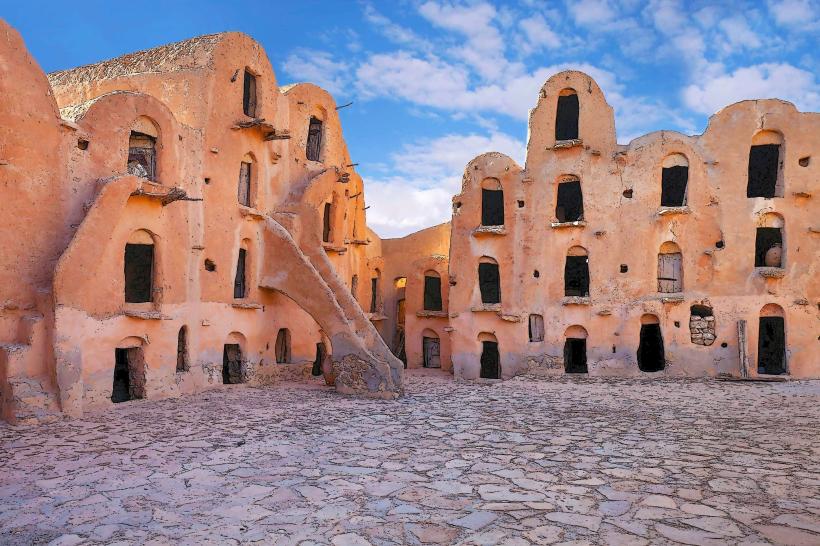
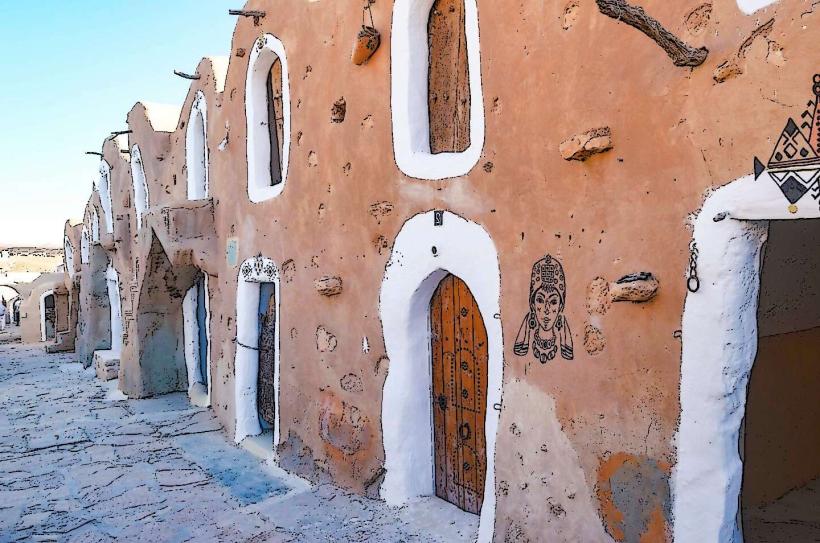
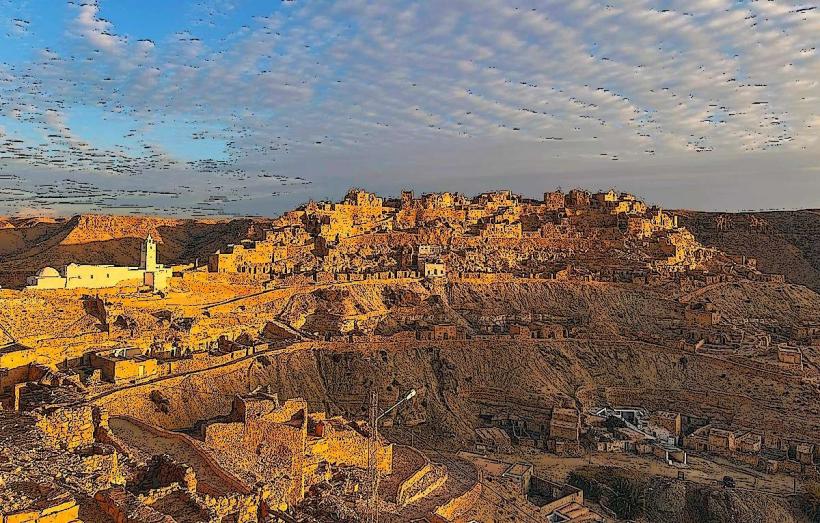
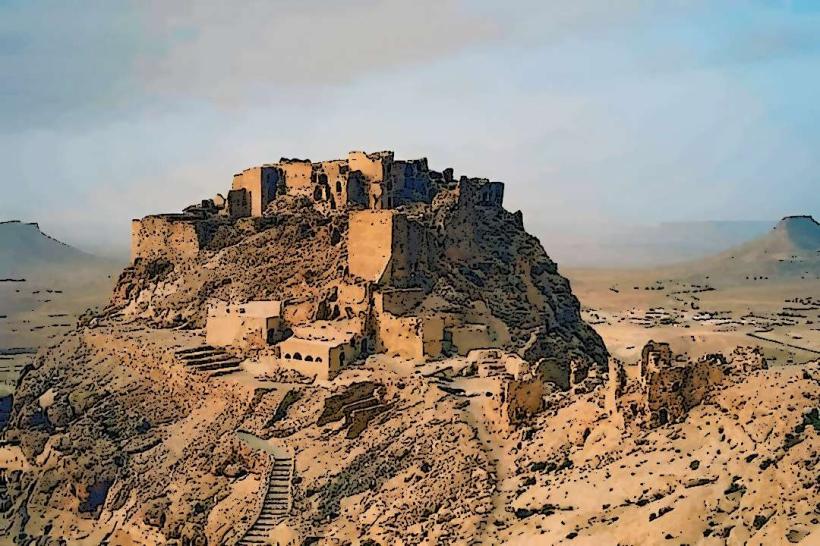
To be honest, Just south of the town of Tataouine in southern Tunisia, the Tataouine Museum-officially called the Musée Mémoire de la Terre, or Earth Memory Museum-offers a rare and vivid glimpse into the region’s past, with displays that feel as sun-baked as the desert outside, besides the museum, founded in 2000, acts as a lively hub for science and culture, showcasing the region’s geological layers, ancient fossils, and traditional artifacts worn smooth by time.Here, dinosaur fossils lie beside fragments of ancient meteorites and intricate Berber artifacts, creating a rare site where the Sahara’s sands link Earth’s deep past to human history, then one.The museum sits 2.5 kilometers south of Tataouine, along a dusty road that winds toward the Berber village of Chenini, while you’ll find it just steps from Hôtel Mabrouk, an easy stop for travelers heading south toward the ksour-ancient fortified granaries-and the sunbaked desert villages beyond, a little Framed by rugged, ochre hills, the building melts into the desert’s warm tones and serves as a welcoming doorway to the region’s storied past, as a result step two.The museum’s biggest scientific attraction is its paleontology collection, especially the Cretaceous-period dinosaur fossils-massive bones still dusted with traces of ancient sandstone, to boot in the dusty hills near Tataouine, scientists uncovered fossils of a rare dinosaur, later named Tataouinea hannibalis in honor of the town, slightly often This rebbachisaurid sauropod stands out for its bird-like bones, fine and airy like a hollow reed, hinting at adaptations for a lighter frame, also fossilized bones sit under vivid lights, next to models and vivid reconstructions showing how the creature may have once appeared.Scientists around the world have been drawn to these finds for their evolutionary importance and the astonishingly rare way the fossils have been preserved, down to the delicate curve of a feather, moreover it’s just the letter b, petite and plain, like a single black mark on a white page.In southern Tunisia, the fossil record reveals shells and coral once buried under a warm, shallow sea millions of years ago, likewise in Tunisia, fossilized shells, coral, and long-lost sea life whisper the tale of its ancient shores, where waves once broke against sun-bleached rock.It seems, Number three, not only that one standout in the Meteorite Display is the Tatahouine meteorite-a rare diogenite that crashed near Tataouine in 1931, shattering into thousands of sharp, gray fragments.Its makeup has helped scientists grasp the nature of asteroid Vesta, a massive chunk of rock orbiting in the asteroid belt, likewise this museum holds several fragments, displayed with notes on their mineral makeup and their journey from the depths of space.This exhibit links our planet to the story of the cosmos, offering a glimpse into rocky landscapes and the birth of the solar system, subsequently number four.Frankly, In its Cultural and Ethnographic Section, the museum sets aside a nook for the Berber (Amazigh) heritage of the Tataouine region, where you might spot a pair of handwoven rugs in deep crimson and gold, at the same time displays of traditional crafts feature worn wooden plows, smooth weaving shuttles, and pottery still dusted with clay.Berber jewelry, handwoven wool clothing, and the rich scent of tanned leather give a vivid peek into the region’s material culture, equally important it’s just the letter “b,” minute and curved like a hook on a fishing line.Videos and interactive maps bring the ksour to life, showing desert farms where wind hums through date palms and tracing the winding routes of nomadic migration, at the same time photos capturing Chenini, Douiret, and nearby villages, where weathered stone walls meet sun-baked mudbrick homes.Not surprisingly, It’s just the letter C, sharp as a pencil tip on the page, therefore stories passed down by word of mouth-tales of local legends, gritty desert survival, and the rituals that bring neighbors together around a crackling fire.A gaze at how Berber knowledge systems bend and thrive in the unforgiving Saharan heat, where wind stings the skin and shade is scarce, in addition number five stands out, like a bold mark on a white page.The museum serves as a lively hub for students and researchers, drawing them into the worlds of paleontology, geology, and anthropology-where dusty fossils and ancient stones tell their stories, along with they run guided tours in French and Arabic, and occasionally in English, where you might hear the soft shuffle of a group moving through the halls.Now and then, it hosts temporary exhibitions, lively conferences, and hands-on workshops for local schools and universities, simultaneously number six.Actually, The museum’s cozy size makes it easy to explore, yet every corner holds something fascinating-perfect for spending an hour or two, alternatively it’s peaceful, with only a few people milling around, making it perfect for solo explorers, families, or scholars wandering with notebooks in hand.You can usually take photos, and the displays have clear labels you can spot at a glance, to boot a petite gift shop sells local crafts, shiny minerals, and fossils you can hold in your hand.Seven, also Ksar Ouled Soltane sits nearby-a striking Berber granary with sun-baked walls, once a backdrop for Star Wars.Chenini and Douiret are traditional Berber villages, where homes are carved into the rock and stone granaries perch on sun‑baked hillsides, meanwhile many desert treks kick off in Tataouine, with guides often leading you to this museum, where the air smells faintly of sun-warmed stone.The Tataouine Earth Memory Museum takes you on a vivid trip through time-from the massive prehistoric beasts that once thundered across southern Tunisia, to meteorites that fell blazing from the sky, and the enduring Berber communities still calling this rugged land home, alternatively in this rare corner of North Africa, you can wander past towering dinosaur bones, touch the rough edge of a meteorite, and study desert tools worn smooth by centuries-all gathered under a single roof.If you’re in Tataouine, don’t miss this museum-it’s a doorway into the desert’s ancient past and lasting legacy, where sun-bleached relics whisper their stories.
Author: Tourist Landmarks
Date: 2025-09-27